Star
Sun
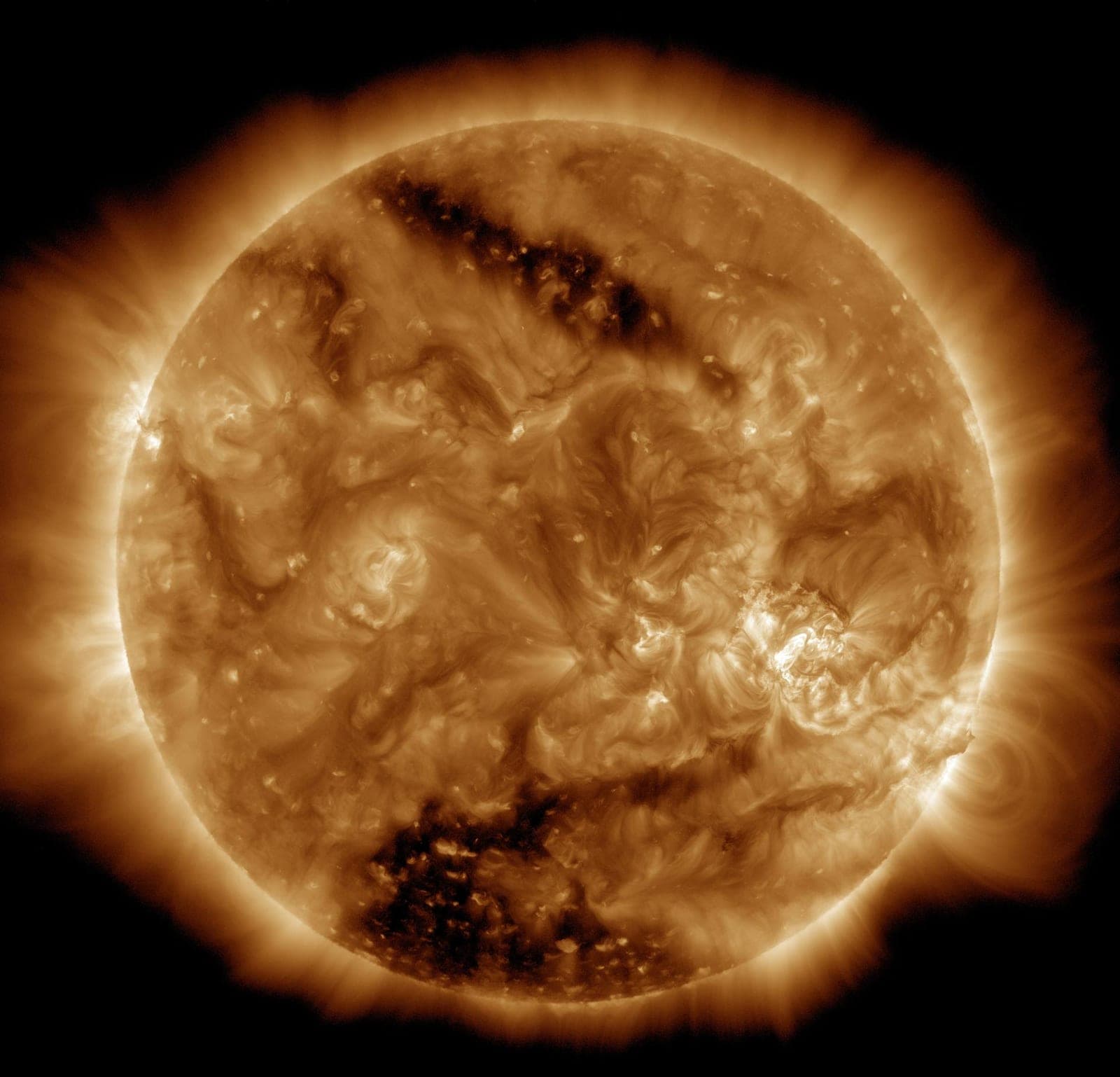
The star at the center of our Solar System, a 4.6-billion-year-old ball of hot plasma.
Image: NASA/SDO
Part of Milky Way
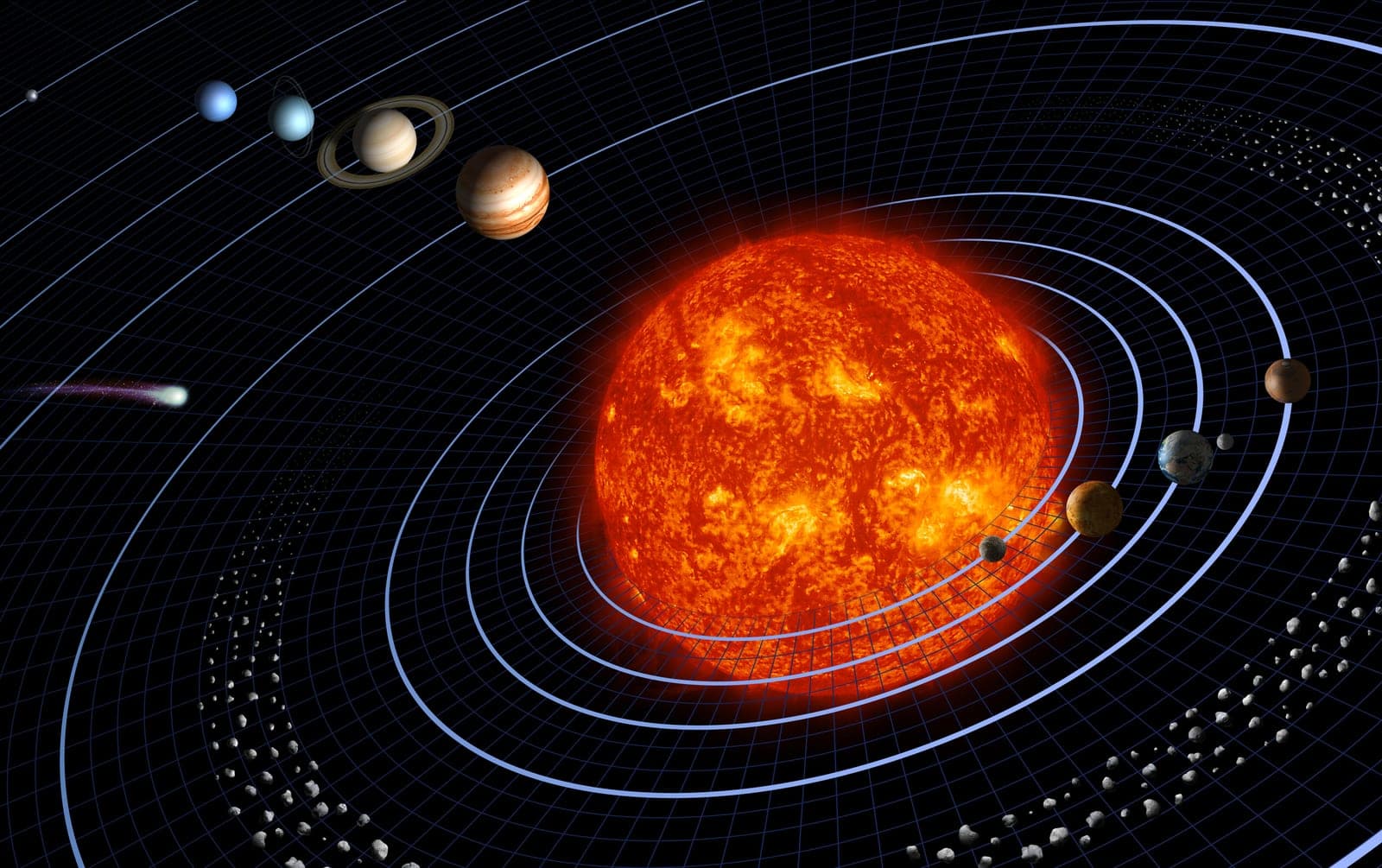
The Sun and everything bound to it: eight planets, their moons, dwarf planets and countless smaller bodies.
Our Solar System
Image: NASA/JPL
Our planetary system formed about 4.6 billion years ago from a collapsing cloud of gas and dust. The Sun holds 99.8% of its mass. The whole system orbits the centre of the Milky Way about 26,000 light-years out and needs about 230 million years for one lap.
The system's stars first, then its planets from the closest to the farthest.
The star at the center of our Solar System, a 4.6-billion-year-old ball of hot plasma.
Image: NASA/SDO
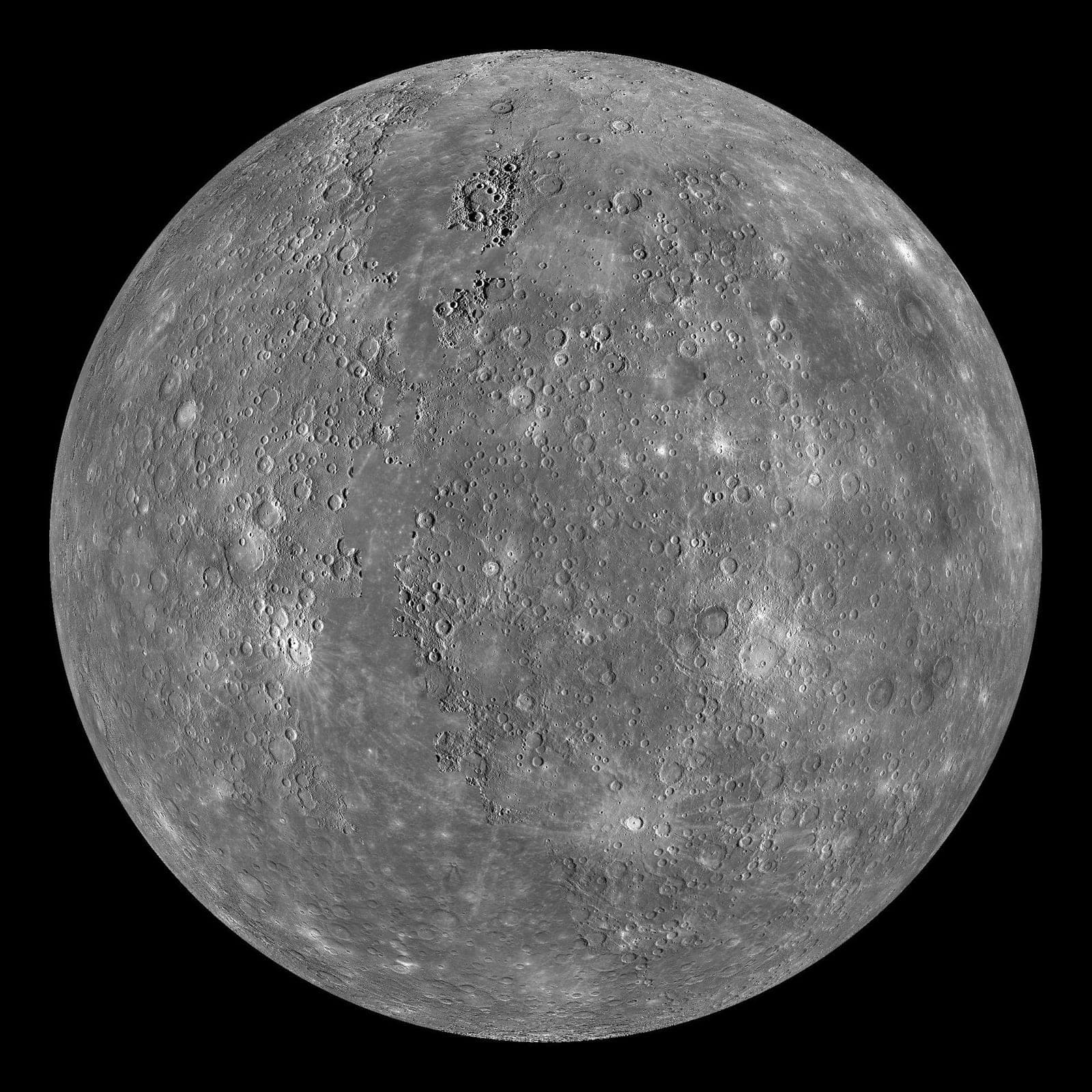
The smallest planet and the closest to the Sun, scorched by day and frozen by night.
Image: NASA/Johns Hopkins University Applied Physics Laboratory/Carnegie Institution of Washington
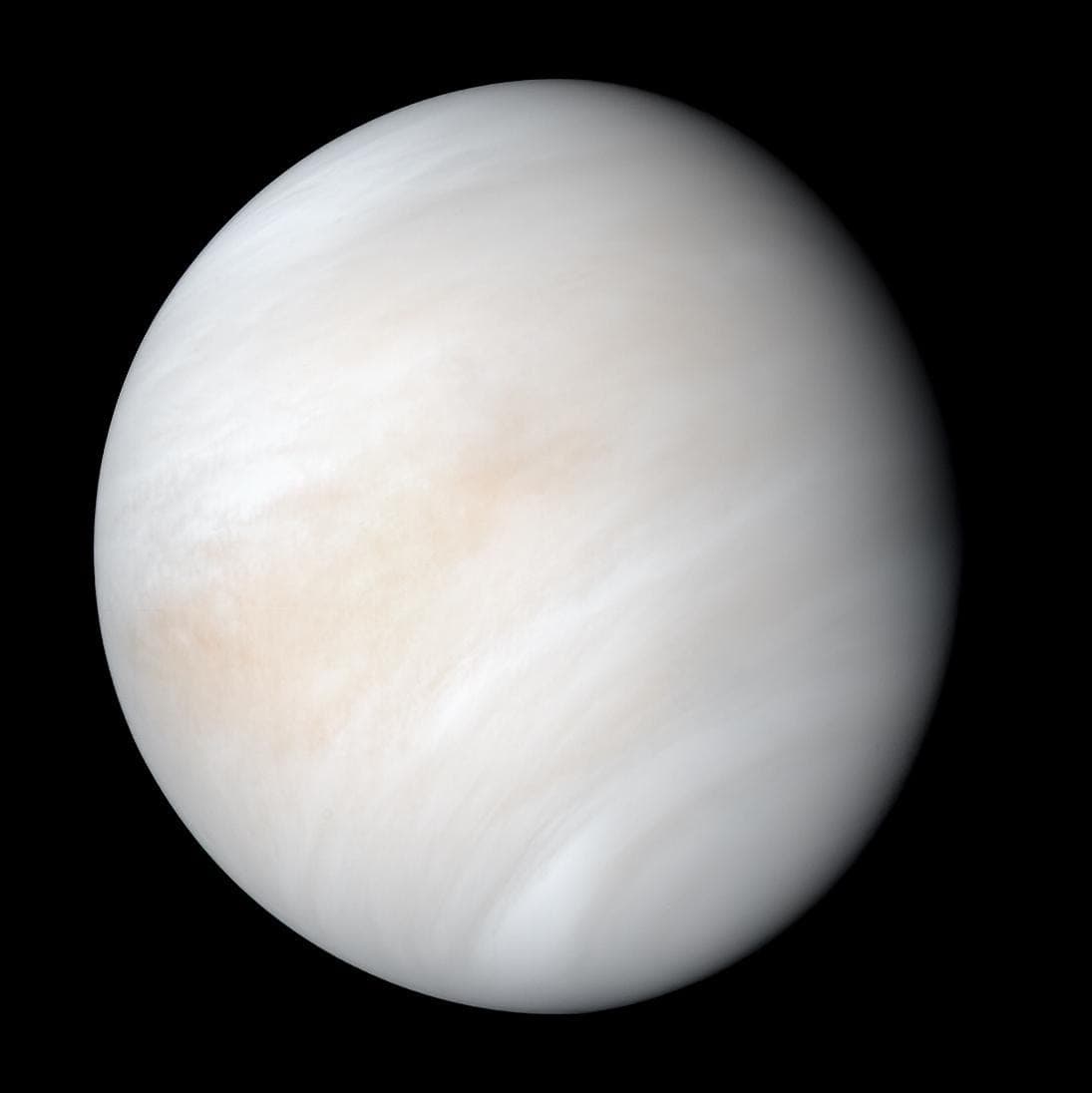
Earth's twin in size, and the hottest planet in the Solar System.
Image: NASA/JPL-Caltech
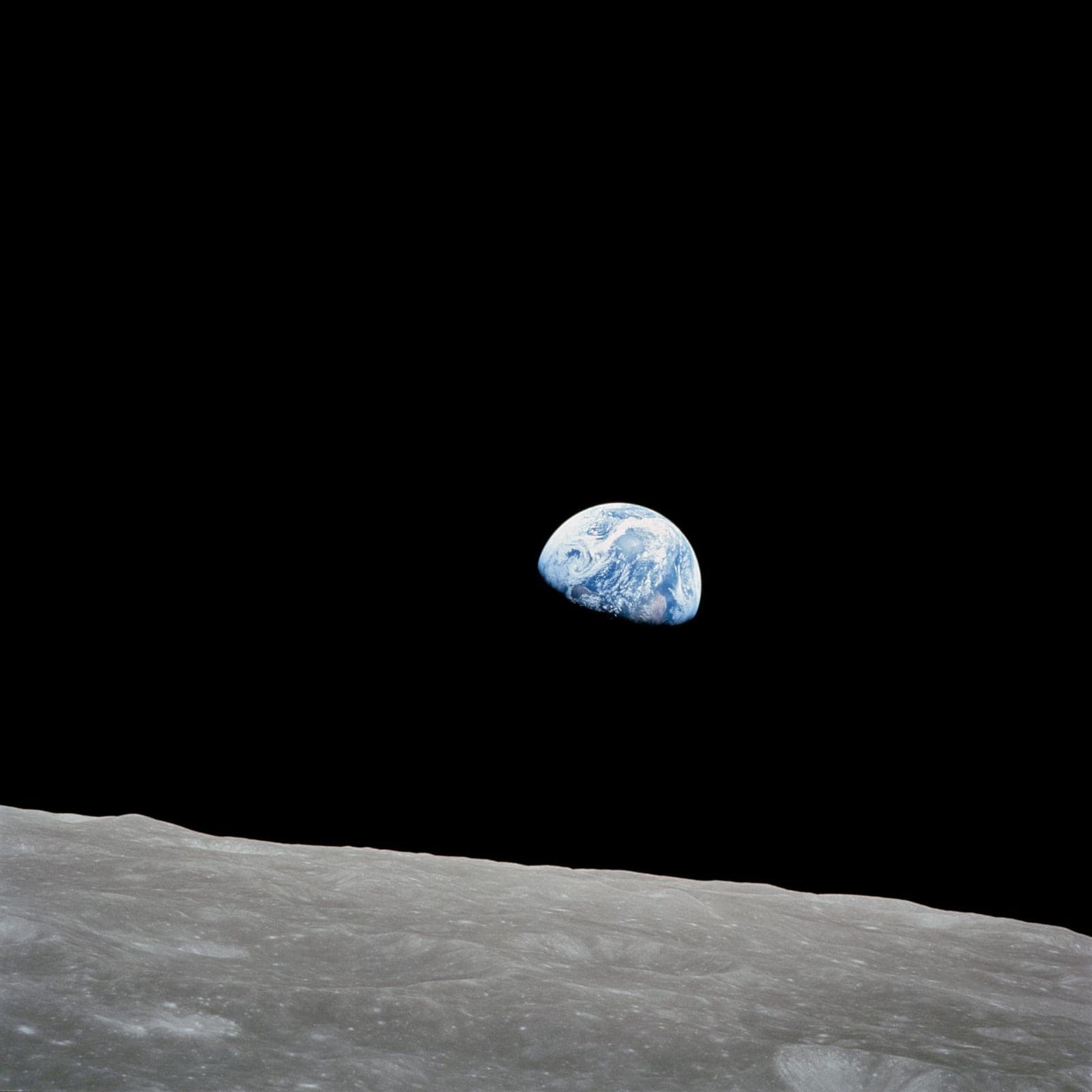
Our home planet, and so far the only world known to have life and liquid water on its surface.
Image: NASA
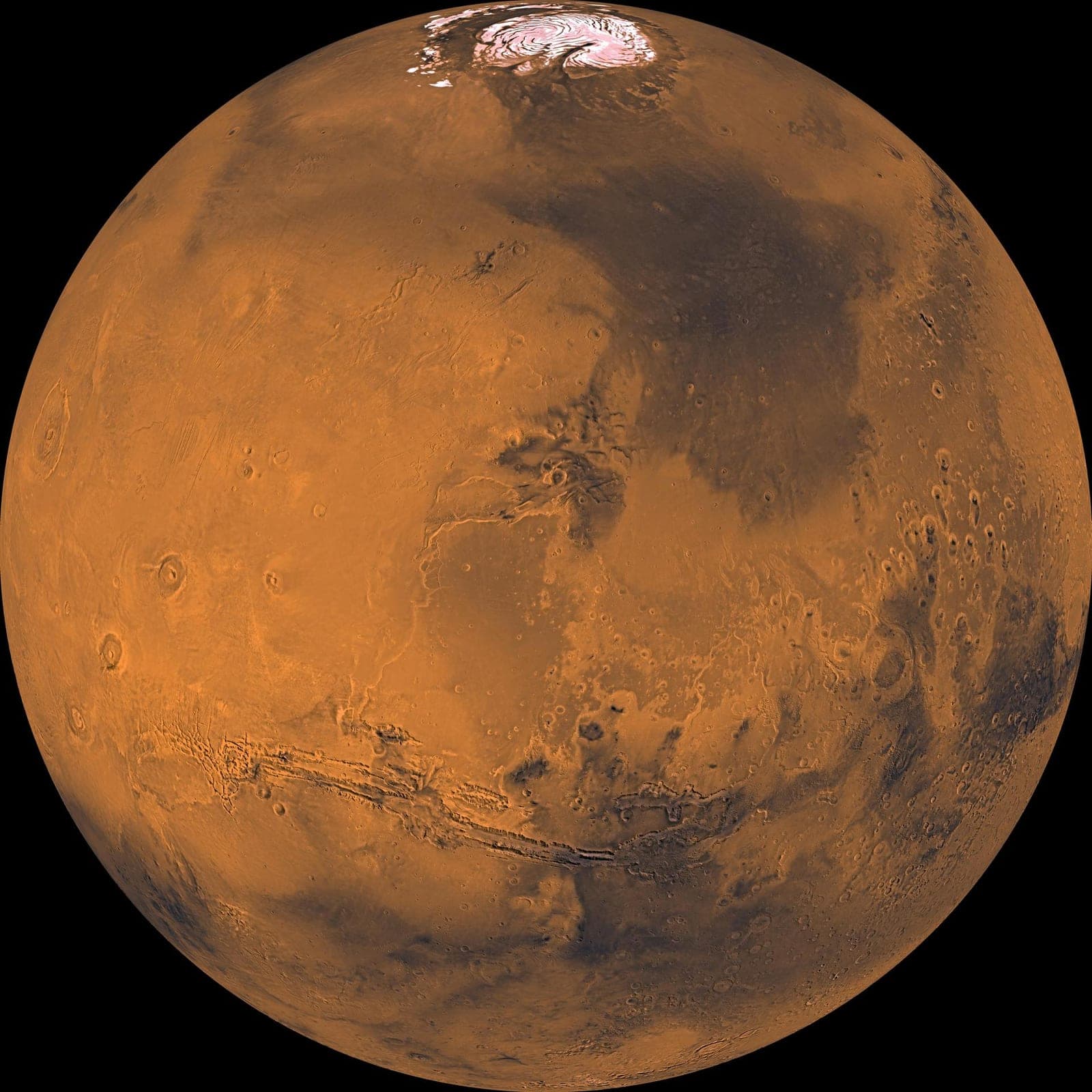
The red planet, with the tallest volcano and one of the longest canyons in the Solar System.
Image: NASA/JPL/USGS
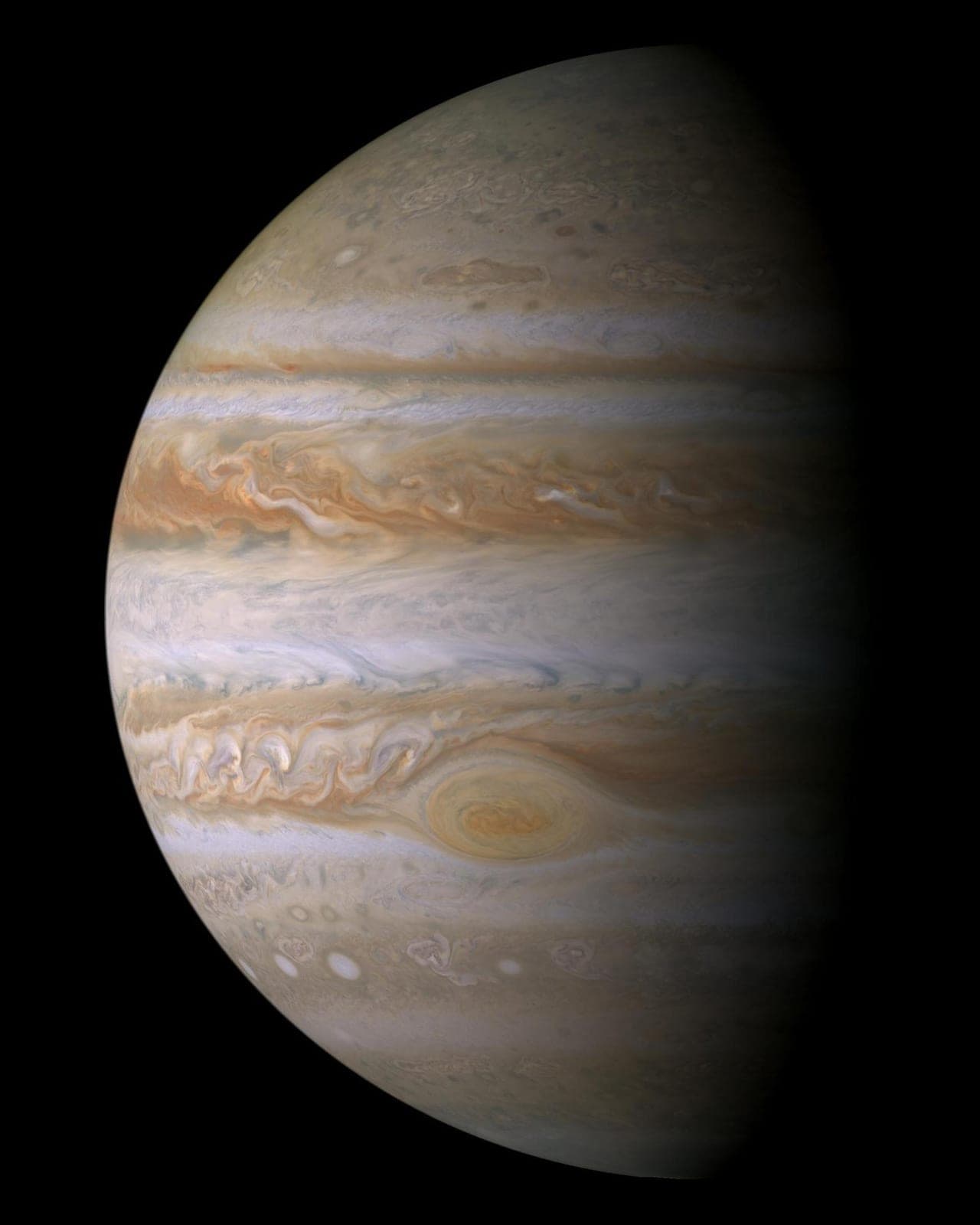
The biggest planet, more than twice as massive as all the others combined.
Image: NASA/JPL/Space Science Institute
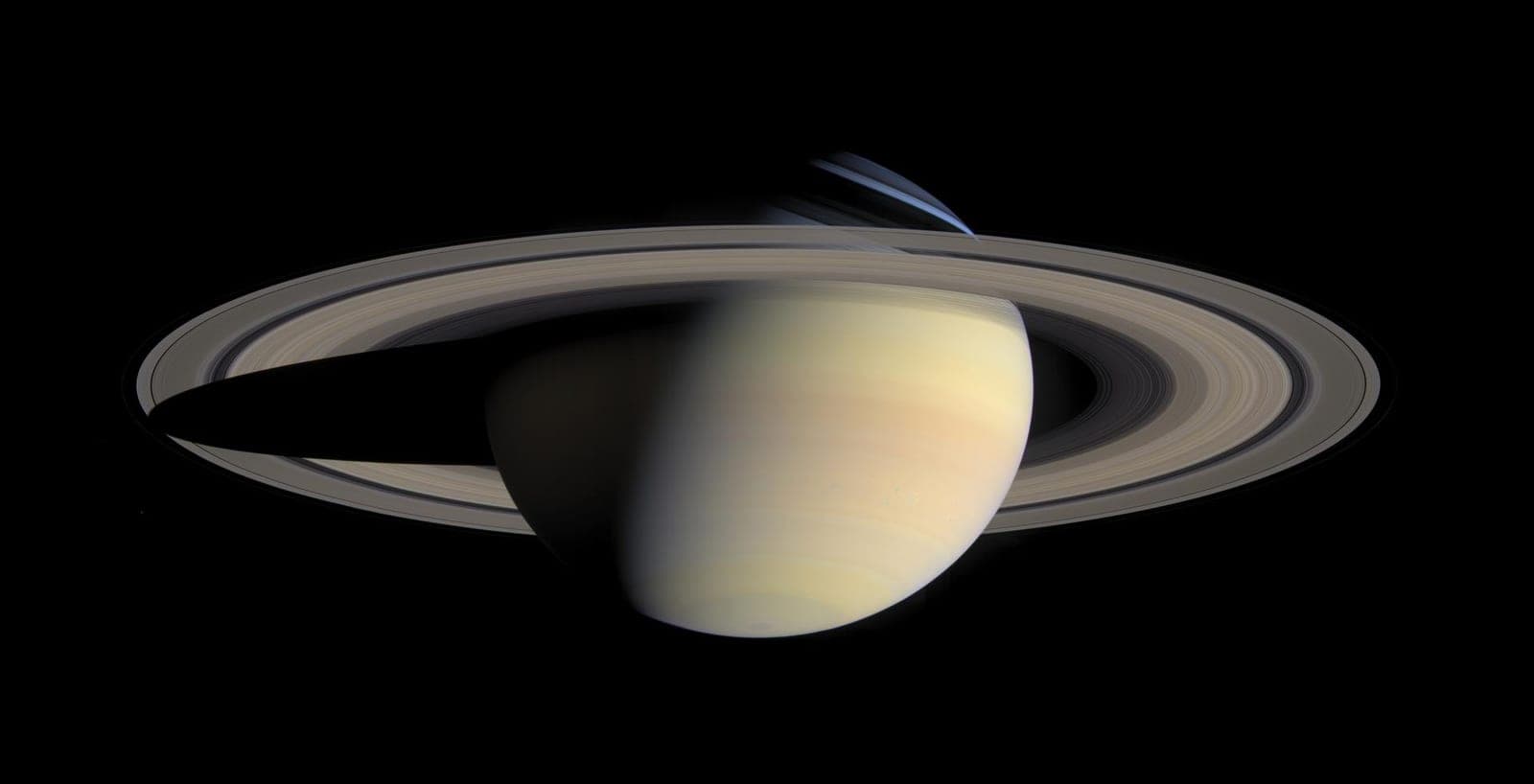
The ringed gas giant, sixth planet from the Sun and light enough to float in a big enough bathtub.
Image: NASA/JPL/Space Science Institute
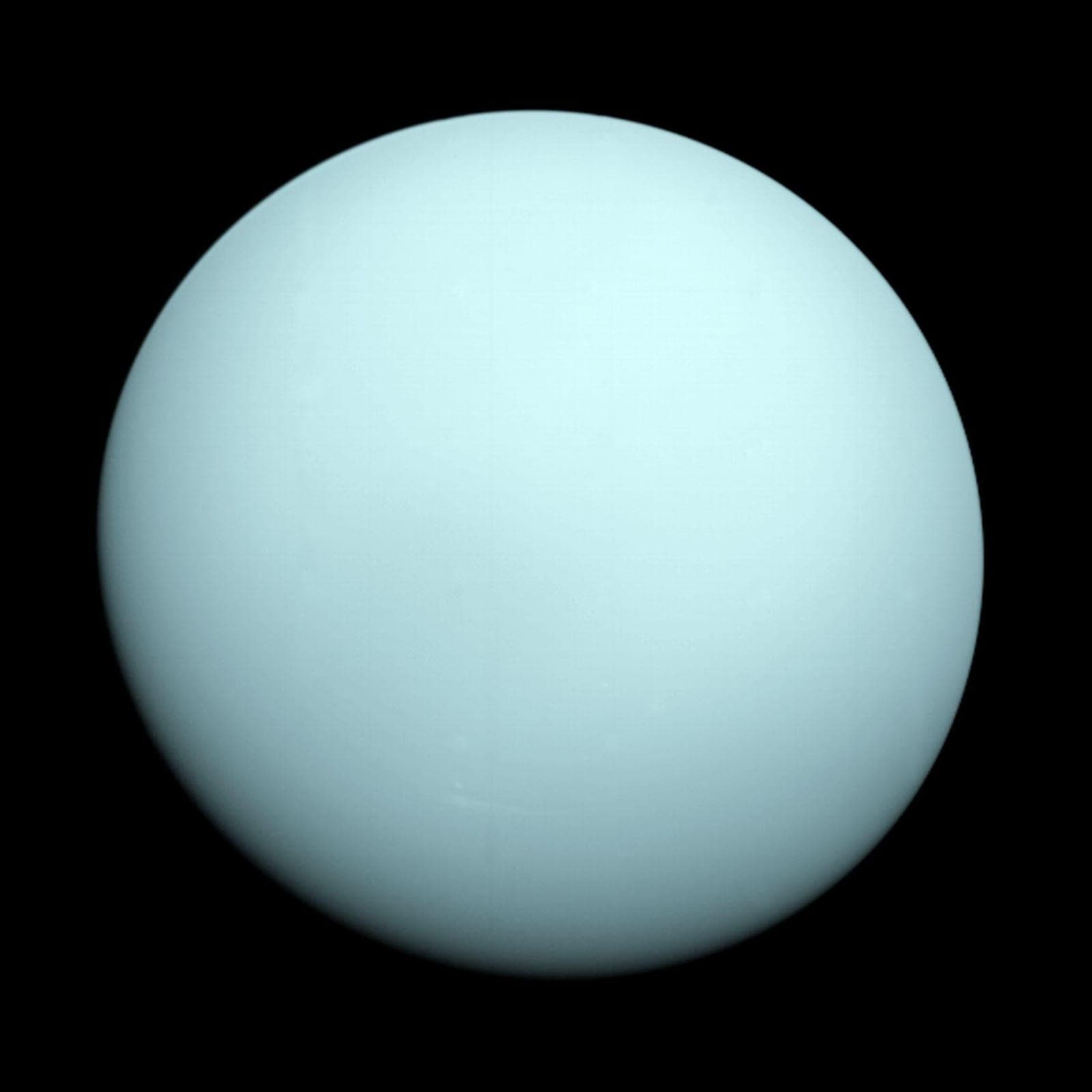
An ice giant that rolls around the Sun on its side.
Image: NASA/JPL-Caltech
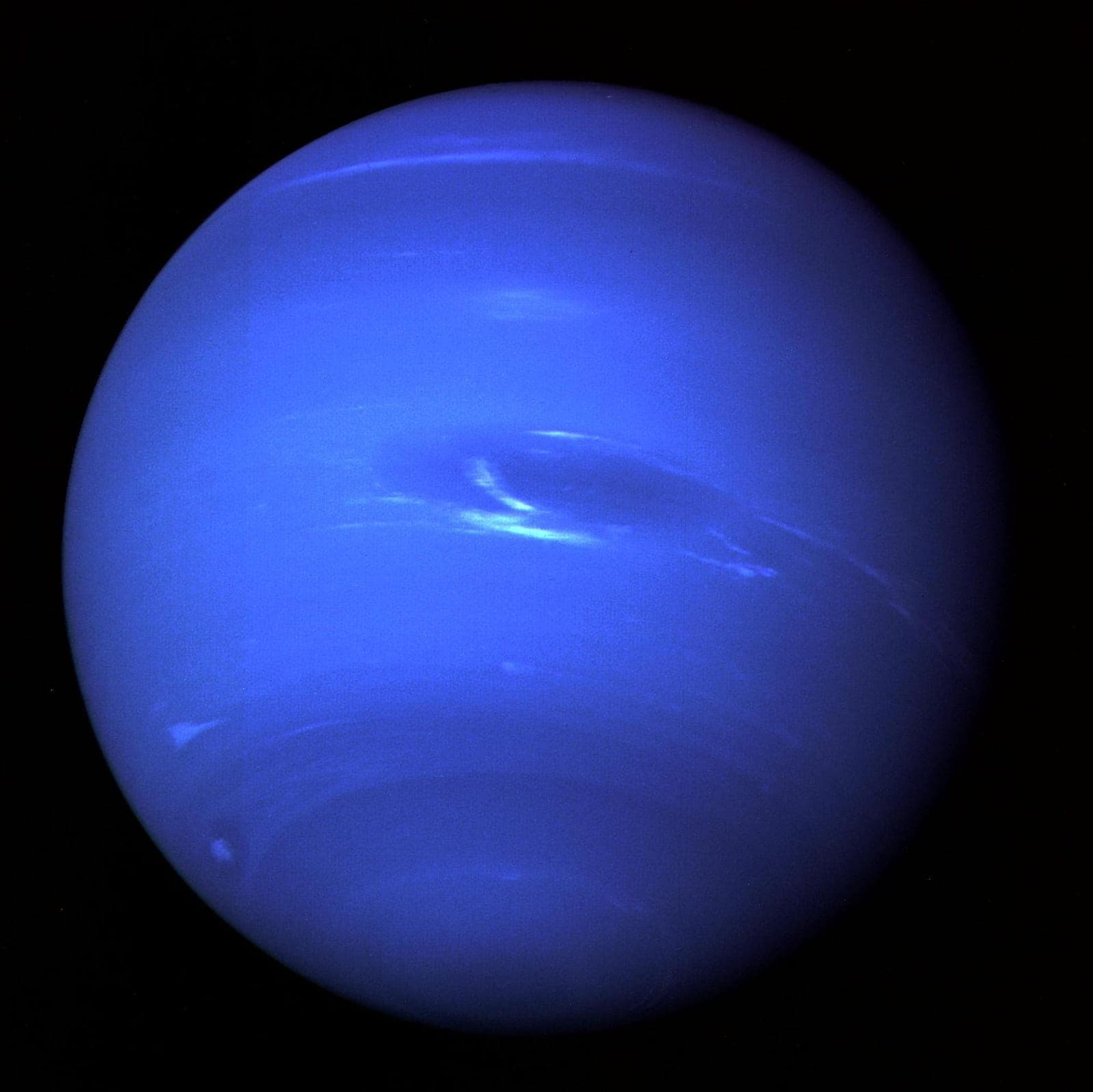
The farthest planet from the Sun, with the fastest winds in the Solar System.
Image: NASA/JPL